Onboard Systems
and Platform

We develop onboard computing systems, satellite platforms, and end-to-end radar systems — from architecture to flight qualification.
A-100 Platform
Satellite Platform

Platform
A-100

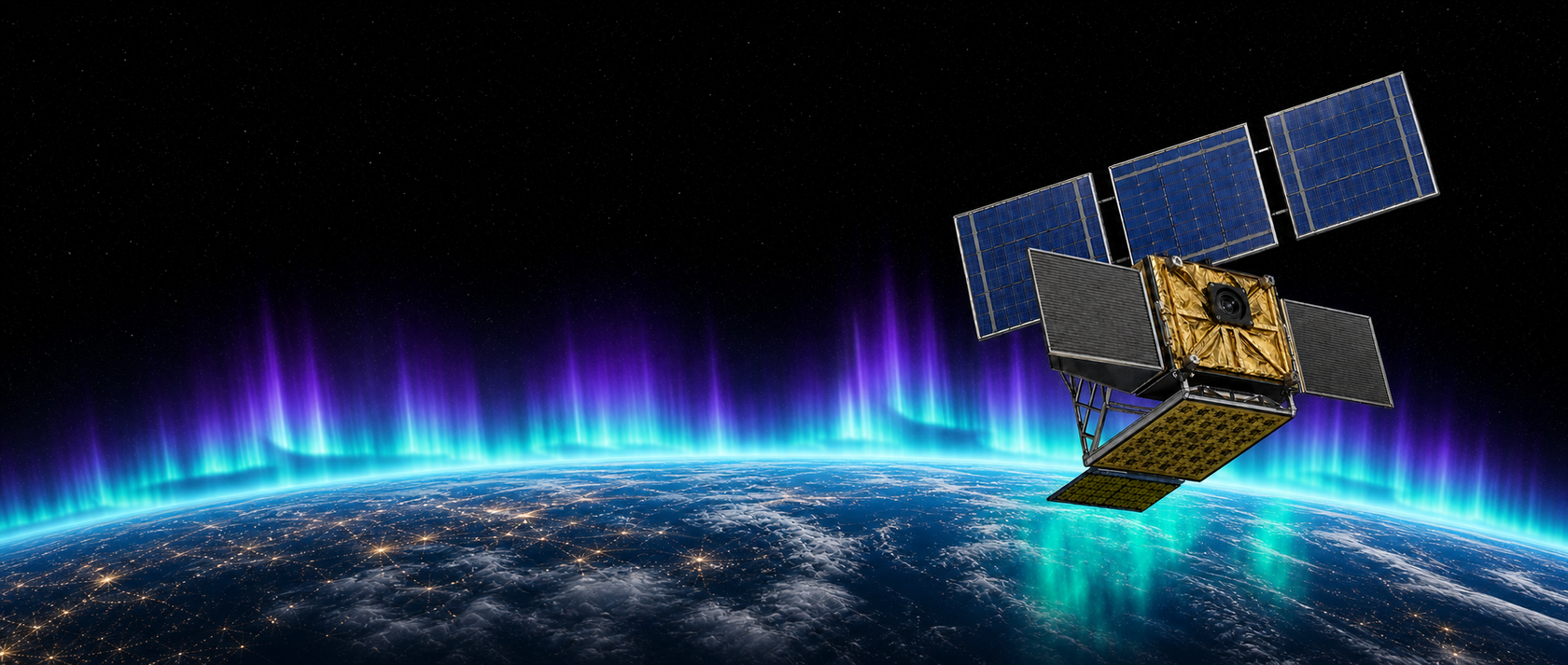
L5 is developing the unified A-100 spacecraft platform — the only Russian platform in the up to 110 kg class. It supports payloads for Earth observation, radar imaging, IoT, 5G NTN, scientific experiments, and technology demonstrations.

For customers, the platform provides an opportunity to place their own payload in orbit. The platform ensures compliance with mass and dimensional requirements, power supply and access to the onboard computer’s computing resources, telemetry, and orbit monitoring and correction.

The development of A-100 is part of a long-term program to create our own radar spacecraft.

Price: from RUB 100 million
Technical Specifications
Platform Mass
up to 100 kg
Payload up to 60 kg. Stowed dimensions: 0.67 × 0.60 × 0.60 m
Payload Power
up to 600 W
Average solar-array power per orbit ≥ 120 W; battery capacity ≥ 480 Ah
Orbit
SSO, 450–650 km
≥ 40 m/s ΔV using a xenon thruster
Attitude Control
± 0.03° (3σ)
90° slew in no more than 170 s
Service Life
up to 5 years
Operating time ≥ 26,000 h. Warranty period: 3 years
Autonomy
7 days
Without communication with the ground segment
Onboard Computing Systems

In-House Onboard
Computer

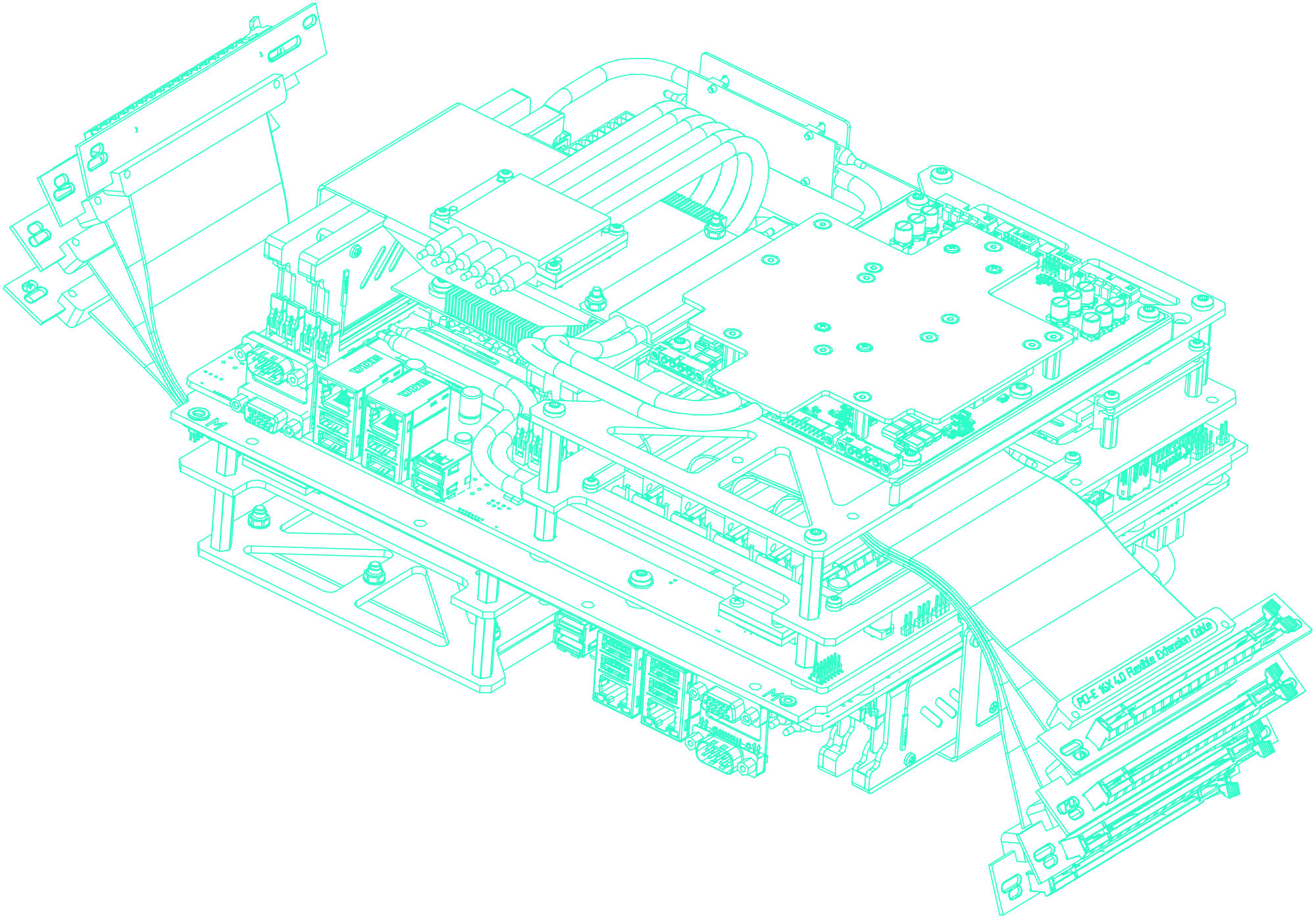
An onboard digital computer for spacecraft control, payload data processing, and next-generation communications. The first in Russia to provide complete 5G signal processing directly in orbit. It operates in open space without a pressurized instrument compartment.

Functions:

  • Spacecraft control in command and autonomous modes
  • Collection and transmission of service telemetry to Earth
  • Control of payload and service equipment
  • Digital processing of payload signals
Price: from RUB 20 million
Onboard computer
Technical Specifications
First in Russia
Onboard 5G NTN / NB-IoT
Complete 5G signal processing directly in orbit. Enables a new generation of satellite communications and IoT services.
Synchronization
±1.5 µs
Complies with 3GPP TS 38.108 and ensures reliable operation of 5G networks in space.
Performance
1900 MHz × 10 cores
Processes two 5G cells simultaneously at a power consumption of 75 W.
Ready for Operation
≤ 30 s
The onboard computer reaches operating mode within 30 seconds after power-up.
Architecture
x86 · Linux PREEMPT_RT
Optimized for real-time operation. Full support for a modern onboard software stack.
Reliability
Dual-Redundant
Cold redundancy. Dynamic task redistribution. Probability of failure-free operation: 0.97 over 5 years.
Flight Testing

Core Platform:
Flying Laboratory

A 32 kg platform scheduled to enter a Sun-synchronous orbit in 2027 as part of a multipurpose spacecraft.

Alongside service systems, the spacecraft carries payload elements, including experimental equipment from partner research and commercial organizations. The Core Platform also creates the potential to deploy the first demonstration onboard data center based on the onboard computer currently under development.
Price: from RUB 39 million
Core Platform
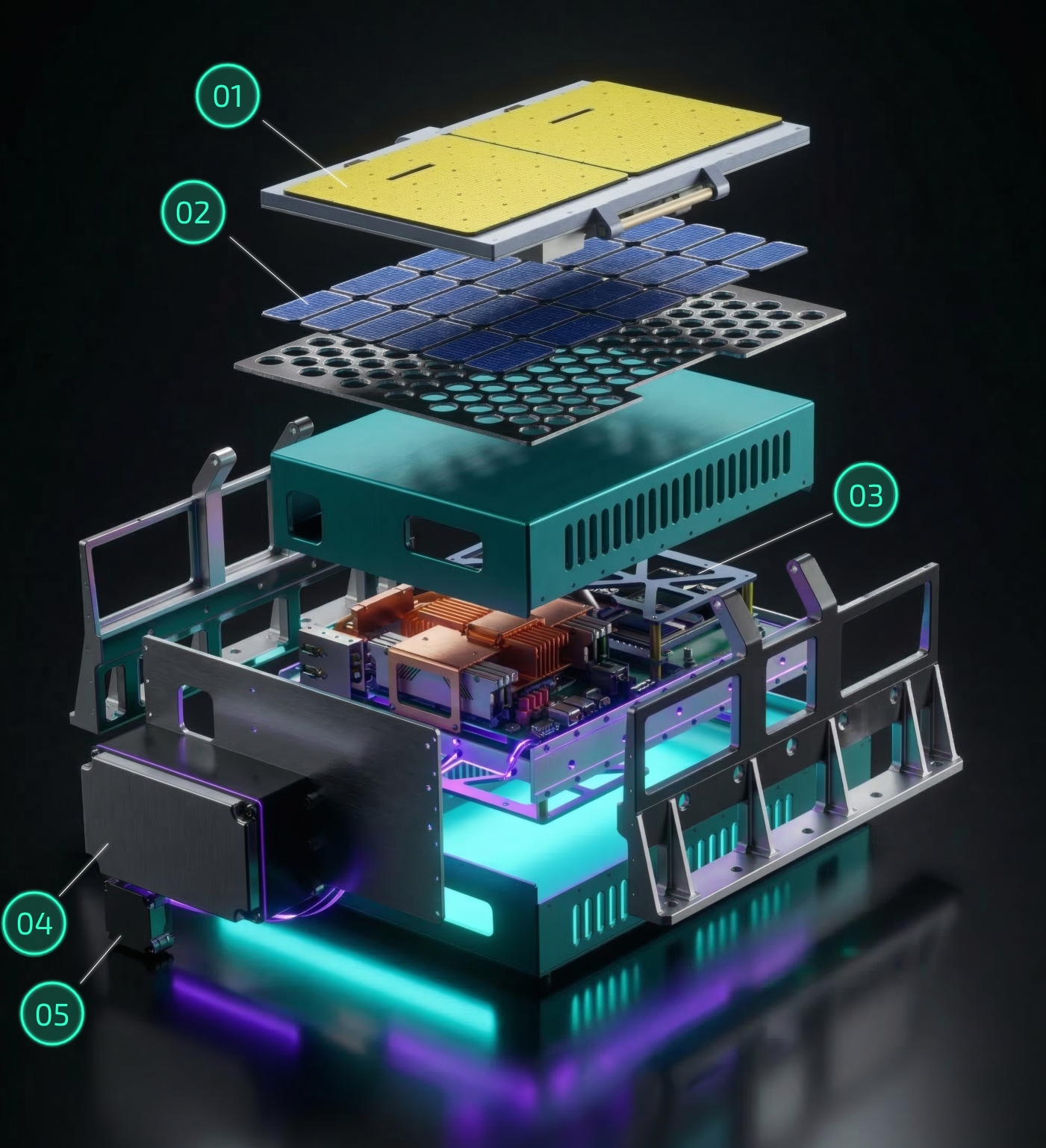
01
Active Electronically Scanned Array (AESA) Element
Two single-channel radio modules for telemetry and command reception. The deployable assembly carrying them is used to validate the deployment mechanics — the same principle that will later deploy the A-100 platform’s solar arrays and radar.
02
Photovoltaic Cell Element
Two types of photovoltaic cells manufactured using different technologies are installed onboard simultaneously. Comparing their performance under real orbital conditions will determine the optimal configuration for the A-100 platform’s solar-array wings.
03
Onboard Digital Computer (OBC)
A 12-core computer with an FPGA section for custom control logic. It supports attitude control, stabilization, and onboard software tasks. A neural network model with 9 billion parameters is deployed onboard to verify AI computing in orbit.
04
Battery Pack
300 Wh, nominal voltage 24/32 V. During the mission, we will verify the behavior of the power system in orbit: charge-discharge cycles, thermal conditions, and resilience during prolonged eclipses.
05
Reaction Wheels
In-house reaction wheels control the spacecraft’s angular motion. The Core Platform orbital mission is the first flight validation of the attitude-control and detumbling algorithms.
Also Onboard
Thermal Control System
TCS
A passive-active system with heat pipes, radiators, and heaters. We verify heat removal from the payload and heat-pipe shutdown at low temperatures to prevent the units from overcooling.
Separation System
Electrothermal
An in-house multipoint system for future separation from an upper stage. A series of experiments will validate repeatability and correct activation.
Payload
2 kg · 200 mm
Half of the payload is occupied by a MEPhI charged-particle detector designed to register electron precipitation correlated with lithospheric plate movement.
Power System
Peak up to 350 W
A solar-array drive based on a flight-proven stepper motor. We validate panel-pointing control and confirm the platform’s power capability.
Angular Rate Sensors
Optical
Enable onboard compensation of microvibrations. We verify operation without additional mechanical payload isolators.
Video Monitoring
Autonomous Backup
A system for restoring Sun-pointing orientation after critical battery depletion, without ground-segment involvement.
Cooperation

Tell Us About
Your Mission

Describe your mission or payload, and we will select a suitable platform configuration and contact you.

Contact Us